
Key points
- The Central Groundwater Board is installing monitoring systems at 20 locations in Kinnaur and Lahaul & Spiti.
- The systems will track glacier melt through water levels, temperature, and flow using sensors and telemetry.
- An Early Warning System is already operational at the Gepan Ghata glacier lake in Lahaul & Spiti.
The Central Groundwater Board has started installing monitoring systems at 20 locations in the Kinnaur and Lahaul & Spiti districts of Himachal Pradesh. The systems will collect real-time data on glacier melt by monitoring water levels, temperature, and flow.
The collected data will be sent to a central server for scientific analysis. This will help scientists understand the hydrological cycle in the Himalayan region and assess changes caused by glacial melting.
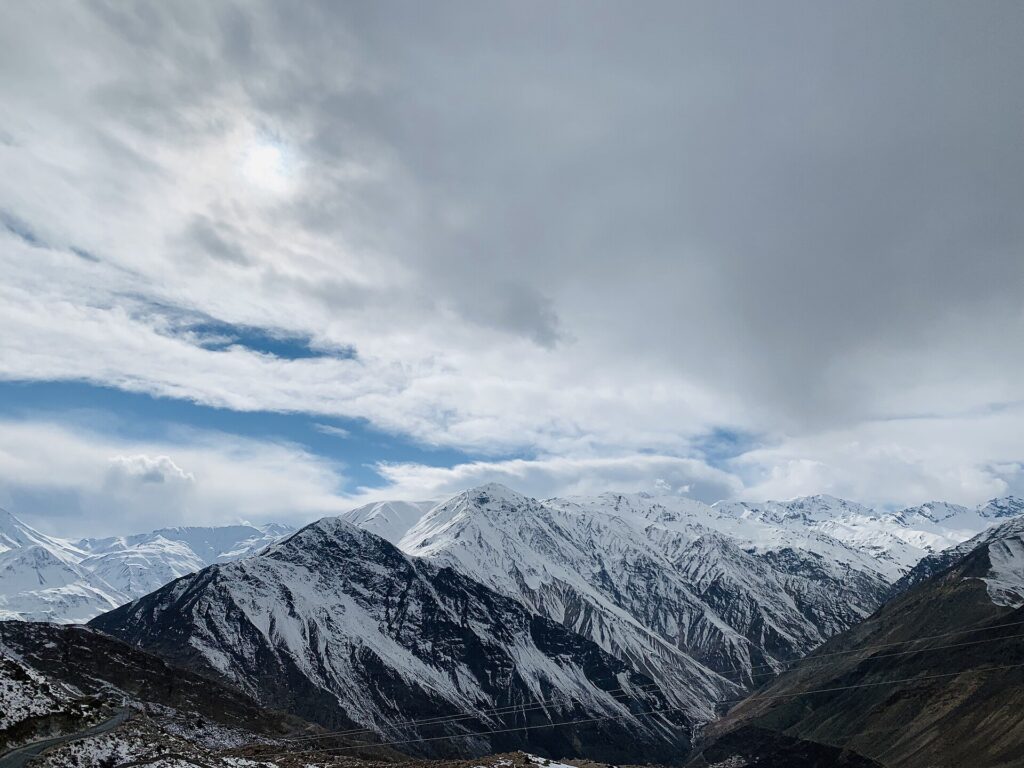
To install the monitoring equipment, drilling will be done up to 60 to 100 metres into the ground. Borehole logging will be used to collect information on the soil and rock layers beneath the surface.
The system uses Digital Water Level Recorders, Piezometers, and sensors to measure groundwater levels and water pressure changes. A Telemetry System will transmit this data via mobile networks or other communication media.
An Early Warning System is already installed at the Gepan Ghata glacier lake in Lahaul & Spiti. This system monitors weather changes and water levels at the lake.
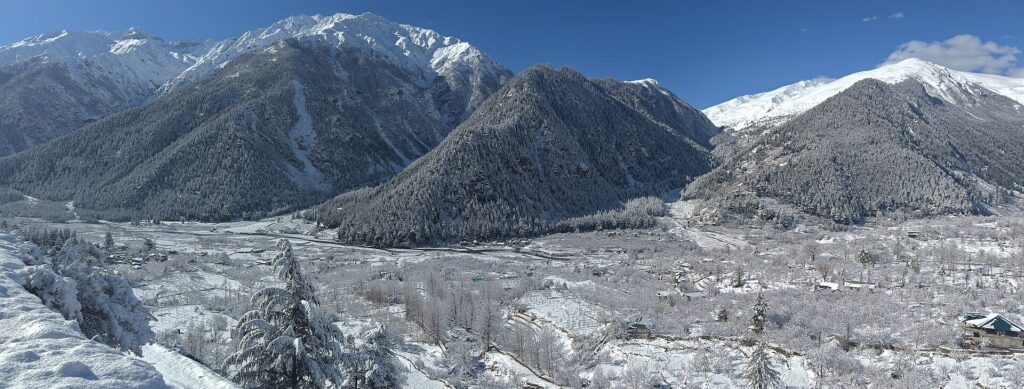
In abnormal conditions, alerts will be sent to relevant officials and the district administration in time. The data collected will also be shared with other agencies, departments, and the administration.
The Central Groundwater Board is responsible for monitoring in the Northern Himalayan Region. This project is part of a larger effort to understand changes in water resources in these regions using modern technology.