
Key points
- The Sangla Wildlife Division recorded 16 bird species, including migratory waterbirds, at Kuppa Dam on October 21.
- The survey team identified species such as the Ibisbill, Eurasian Coot, and Northern Shoveler.
- Deputy Forest Officer Ashok Negi stated that migratory birds visit the site annually from October to March–April.
A birdwatching survey at Kuppa Dam in Sangla Valley, Kinnaur district, has recorded the presence of 16 bird species. The survey was conducted by a team from the Sangla Wildlife Division on October 21.
The survey took place between 9 a.m. and 2 p.m. The team included Forest Range Officer Gopal Negi, Forest Range Officer Santosh Thakur, Forest Friend Kumari Alpana, and birdwatcher Tenzin Negi.
The recorded species include the Ibisbill, Eurasian Coot, Common Teal, Garganey, Great Cormorant, Northern Shoveler, Ferruginous Duck, Mallard, Northern Pintail, and Gadwall.
Other species identified were the Black-winged Stilt, White-capped Redstart, Plumbeous Water Redstart, Brown Dipper, Common Sandpiper, and Green Sandpiper.
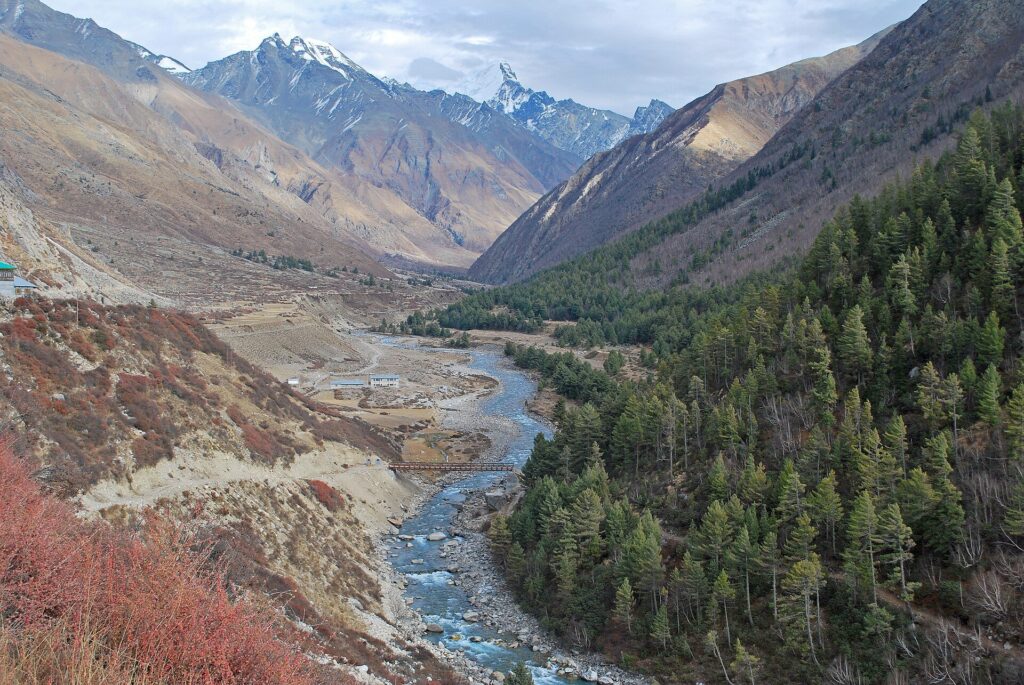
The site is noted for its rich biodiversity and potential for nature tourism and birdwatching. The area's natural environment and water sources provide a suitable habitat for birds.

Ashok Negi, Deputy Forest Officer of the Sarahan Wildlife Circle, stated that migratory birds visit the area every year in October and stay until March–April.
The Wildlife Division has directed teams to maintain annual surveillance at Kuppa Dam and other areas. The presence of migratory birds indicates favourable conditions for shelter, resting, and feeding.
The area is considered important for migratory waterbirds due to the Baspa River and diverse habitats, which support biodiversity research.