
Key points
- A CEEW and ICIMOD study found that 12 gram panchayats in Mandi, Kullu, Sirmaur, and Shimla are adopting climate adaptation measures.
- Farmers are replacing apples with pomegranate and Japanese fruits, while some in Sandhu have adopted natural farming.
- The study identified 25 adaptation solutions and noted that women are reviving traditional water sources.
A study conducted by the Council on Energy, Environment and Water (CEEW) in collaboration with the International Centre for Integrated Mountain Development (ICIMOD) found that people in 12 gram panchayats across Mandi, Kullu, Sirmaur, and Shimla districts are adopting climate adaptation measures.
The report was released on Saturday, October 31, 2026, during a multi-stakeholder dialogue in Shimla by Duni Chand Rana, Managing Director of HPMC and Himachal Pradesh Agro Industries Corporation, and Nishant Thakur, Additional Secretary of Himachal Pradesh.

The study found that farmers in some areas are replacing apple cultivation with pomegranate and Japanese fruits. In Sandhu, Shimla district, farmers have adopted natural farming.
Women are working to revive traditional step-wells (baolis) and old natural water sources. Additionally, some panchayats have formed committees to deal with disasters.
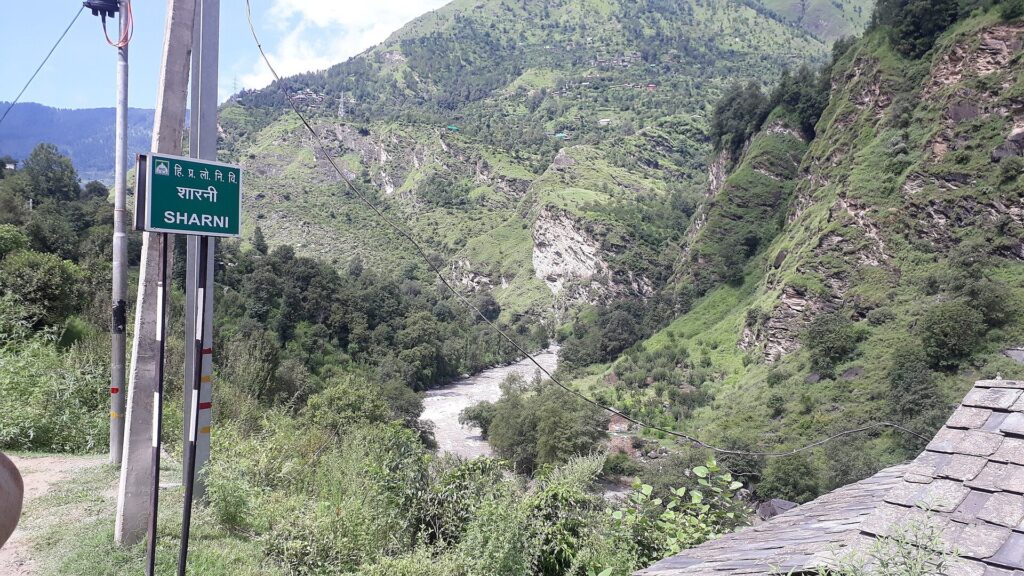
The study identified 25 adaptation solutions across five areas that can be implemented before climate change impacts become severe. CEEW used the 'Strategic Foresight' method to help communities anticipate climate risks and reduce potential disaster losses.
In July 2025, an exercise was conducted in Shimla involving over 60 community representatives, officials, and NGO representatives. CEEW has been studying the effects of climate change in these 12 panchayats for two and a half years.