
Key points
- Farmers in Bharnal village, Mandi, earned approximately ₹2 lakh from dragon fruit cultivation on two bighas of land.
- The farmers used the Jumbo Red Flash variety and organic methods, receiving a 50% government subsidy.
- The fruit was sold at ₹180 per kg after being harvested five to six times in one season.
Rup Lal and Teck Chand, farmers from Bharnal village in the Sarkaghat subdivision of Mandi district, have established dragon fruit gardens on two bighas of land each.
Rup Lal earned approximately ₹2 lakh from the first commercial harvest on his two bighas of land. The fruit was sold in the market at a rate of approximately ₹180 per kilogram.
The farmers started cultivation in 2023 after receiving information from the Horticulture Department in Sarkaghat. They purchased about 400 plants of the Jumbo Red Flash variety from a registered nursery in Gopalpur.
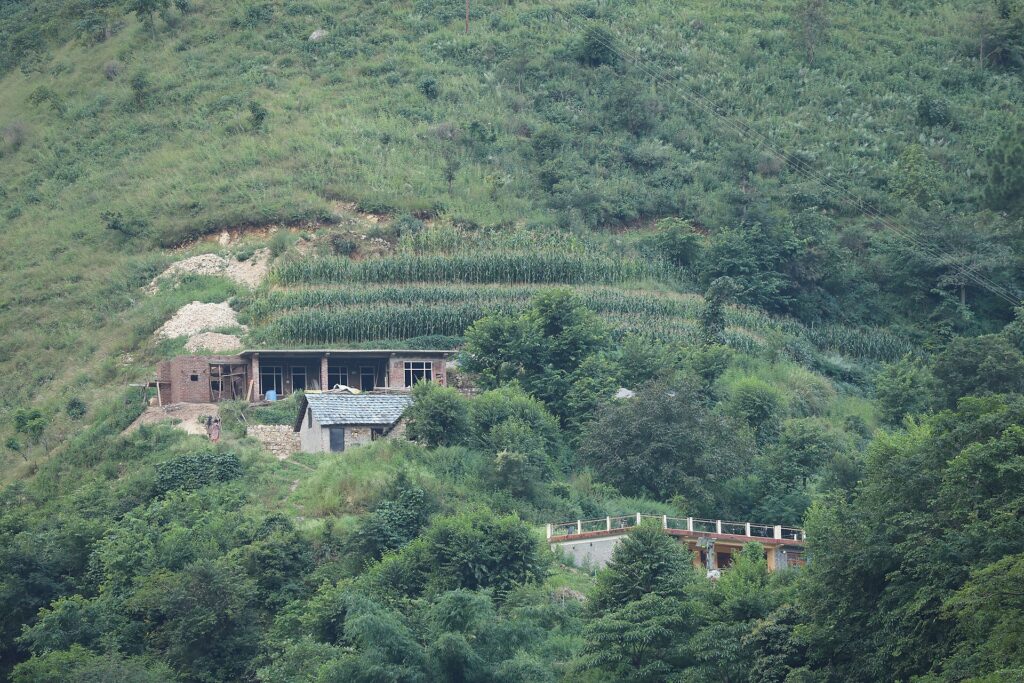
To support the plants, the farmers used RCC Ring Pole Support Technology. They also improved and levelled hilly land to establish the gardens.
The farmers used natural and organic methods for plant care and avoided chemical fertilizers. They planted the dragon fruit in a way that allows for intercropping of suitable companion crops in the empty spaces between plants.
The government provided a 50% subsidy on the establishment cost of the garden through the Horticulture Department. The Mission for Integrated Development of Horticulture (MIDH) provides up to 50% subsidy on establishment costs for eligible horticulturists.
The first commercial harvest occurred in the third year after plantation, with fruits harvested five to six times in one season. The dragon fruit plant is a cactus species that requires relatively less water and can produce for 17 to 20 years with proper care.
Rup Lal credited the government and Horticulture Department for encouraging farmers to adopt new crops. Teck Chand stated that horticulture offers a better way to increase farmers income compared to traditional crops.