
Key points
- Kullu Dussehra has seen a rise in the sale of local handloom, crafts, and traditional food like Siddoo.
- Deities from hundreds of villages gather at Eighteen Karadu in Dharamshala to pay obeisance to Lord Raghunath.
- The festival maintains a balance between its 17th-century religious traditions and modern commercial growth.
The Kullu Dussehra festival in Himachal Pradesh has seen a growing trade in local products, including traditional crafts, food items, and handloom goods. These products are attracting visitors from other states and foreign tourists.
Local women and self-help groups are preparing and selling traditional dishes. Siddoo, a famous local product, is being sold in large quantities during the festival.
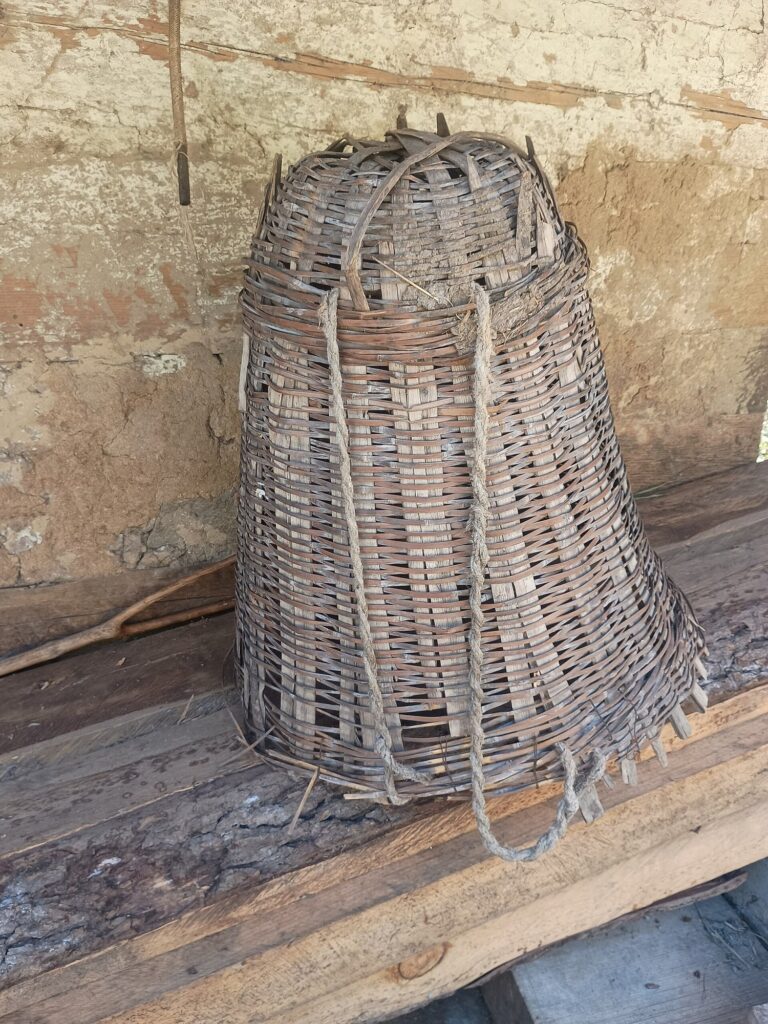
Other items selling well include traditional clothing, utensils, snacks, and footwear. The festival has an economic value in the range of crores of rupees.
The event maintains its religious and cultural identity alongside this commercial growth. Deities from hundreds of villages gather at the Eighteen Karadu in Dharamshala to pay obeisance to Lord Raghunath.
The tradition of the royal family attending the festival in traditional attire for seven days continues. Maheshwar Singh Chhadiwala appears before Lord Raghunath as the Chhadiwala.
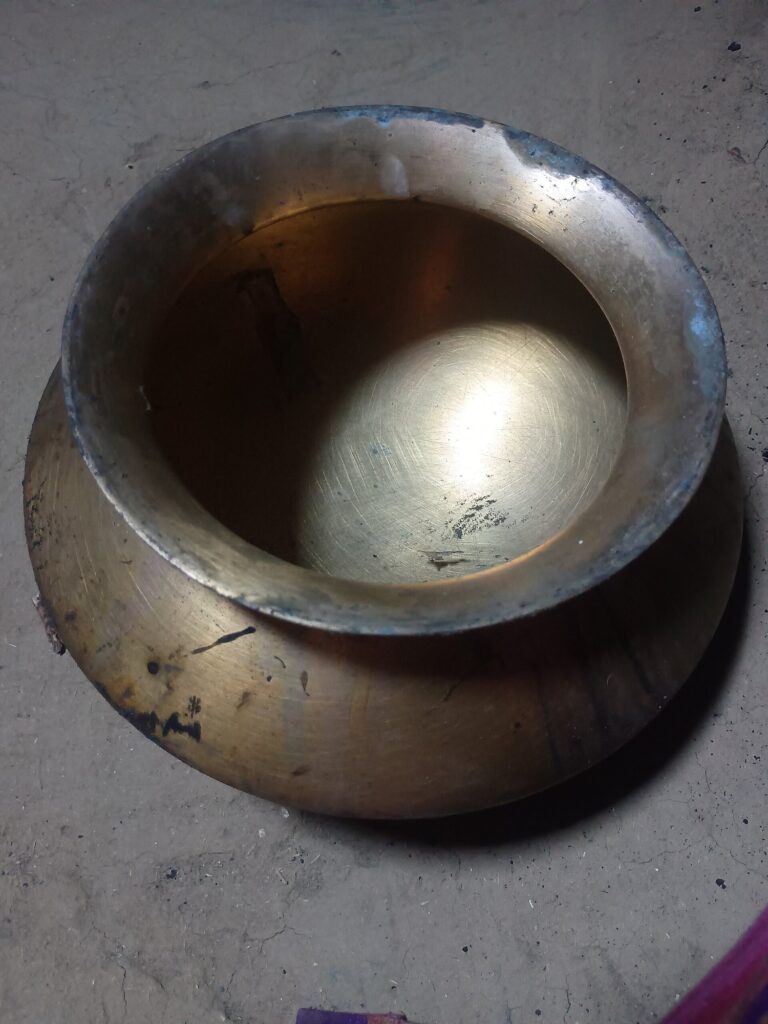
The festival has historical roots dating back to the 17th century. This was when King Jagat Singh declared Lord Raghunath as the chief deity of Kullu State.
The annual event is held in October and spans seven days. It includes religious processions, rituals, and the service of Lord Raghunath.