
Key points
- Baijnath in Kangra district does not burn Ravana effigies during Dussehra.
- Local residents and priests respect Ravana as a great scholar and devotee of Lord Shiva.
- The tradition is rooted in the belief that Ravana performed intense penance at the Baijnath Temple.
In Baijnath, Himachal Pradesh, the tradition of burning effigies of Ravana during Dussehra is not followed. This practice differs from most other parts of India.
Local religious beliefs and ancient legends hold that Ravana was a devoted follower of Lord Shiva. Residents and priests in Baijnath do not view him as a villain, but as a great scholar who earned the darshan of Lord Shiva.
The Baijnath Temple, located in Kangra district, is considered one of the 12 Jyotirlingas. It is believed that Ravana performed intense penance at this site to please Lord Shiva.
According to local belief, Ravana's devotion was so strong that he offered his heads to Lord Shiva. Reports differ on the number, with some stating he offered 10 heads and others saying 9.
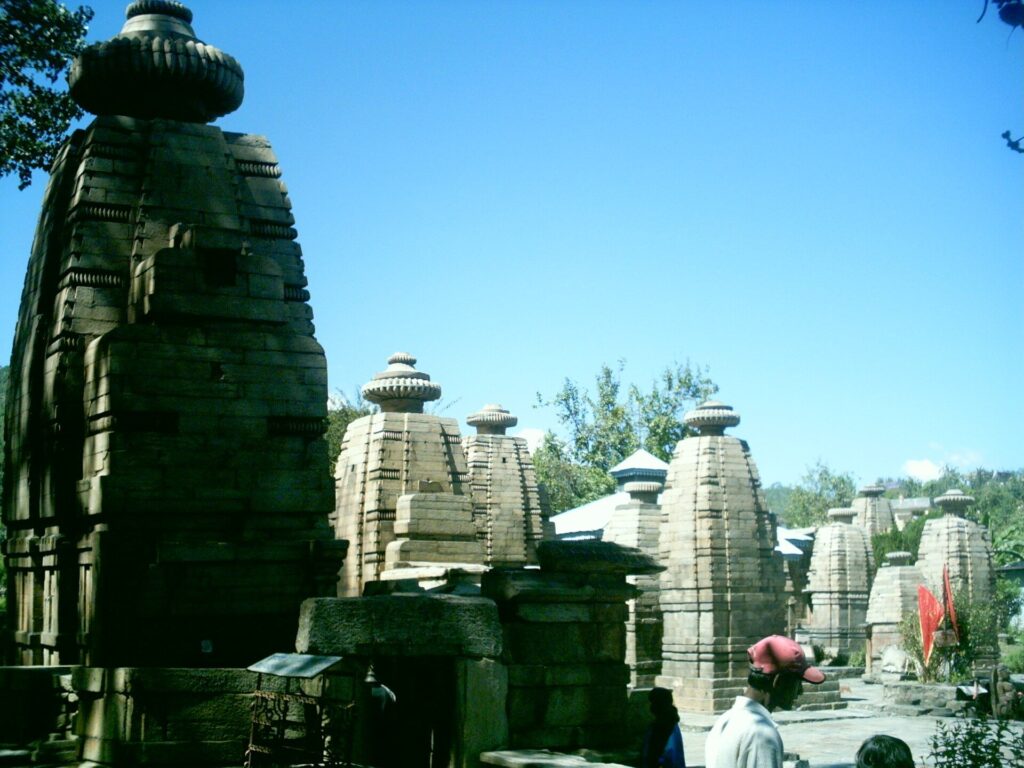
Legends also state that Ravana attempted to carry the Shivalinga to Lanka, but Lord Shiva chose to stay at Baijnath.
The community believes that burning Ravana's effigy would be disrespectful to him as a devotee. This practice is maintained to honour his devotion.
Local beliefs suggest that attempts were made to burn Ravana's effigy in the past. However, incidents occurred following these attempts, which led people to stop the practice.